Why Luxury Airbnb Homes Are Outperforming in Auckland (2026 Data & Trends)
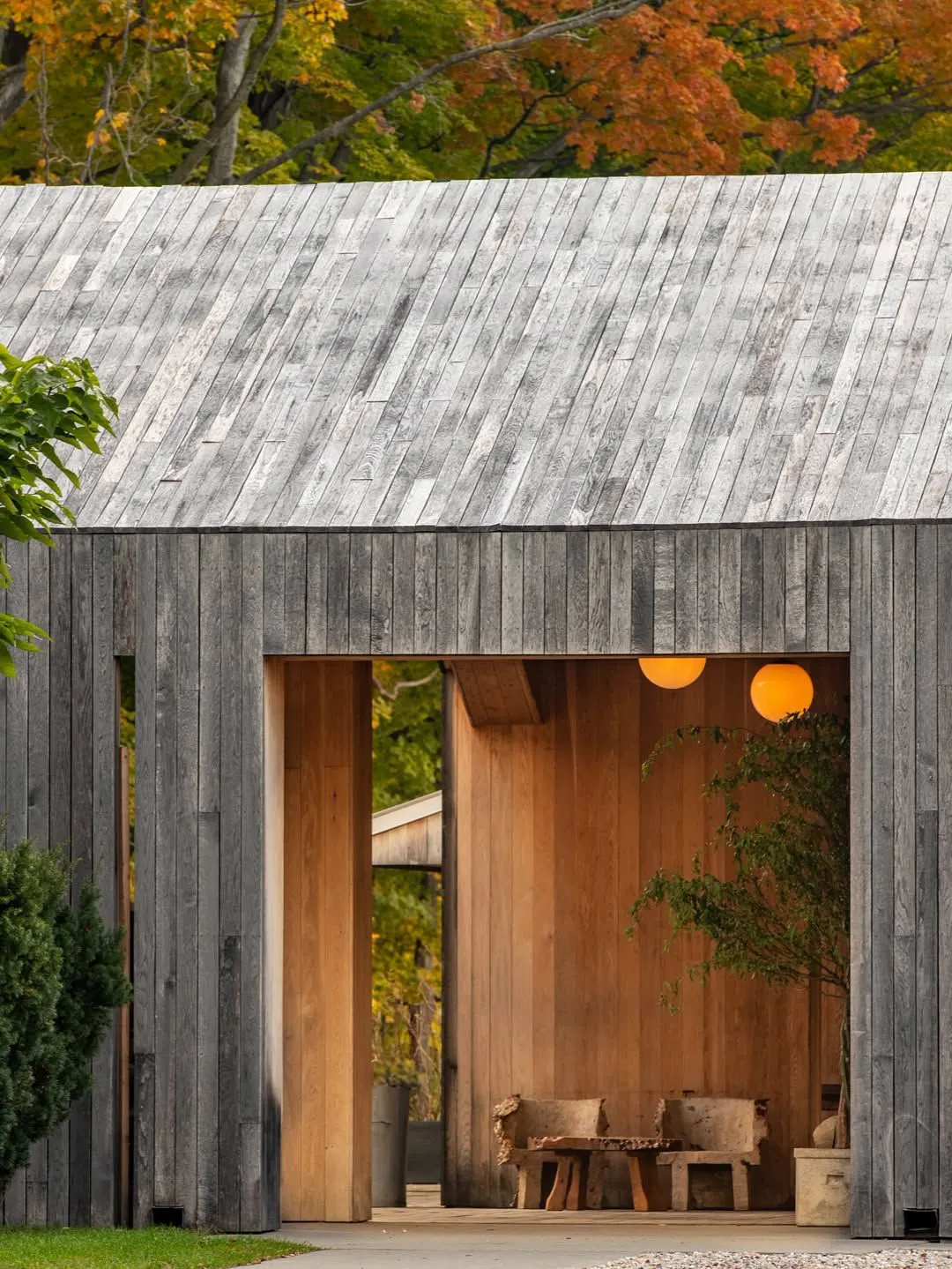
Auckland's short-term rental market is splitting in two. Budget apartments are getting more crowded and more price-competitive, while premium homes are pulling ahead, filling faster and commanding stronger rates with far less competition. If you own a high-end home in Auckland and you're weighing up whether it's worth putting on Airbnb, here's the data behind that shift and what it means for you.
Luxury travel is growing faster than the rest of the market
This isn't an Auckland-only story; it's part of a much bigger shift in how people travel.
- The global luxury travel market was valued at USD 1.59 trillion in 2025 and is projected to reach USD 3.04 trillion by 2033.
- Airbnb has reported a 30% year-over-year rise in demand for luxury properties, and Homes & Villas by Marriott Bonvoy is projecting 25% booking growth, with industry-wide luxury revenue forecast to climb roughly 40% by the end of 2026.
- Suburban and larger-home listings are now outpacing urban growth across most major metro markets, with AirDNA's 2026 Outlook Report identifying suburban areas as among the most favourable conditions for hosts, as guests increasingly choose space and privacy over city-centre convenience.
Auckland is tracking the same curve: premium homes are becoming scarcer relative to demand, and the guests booking them tend to be far less price-sensitive than the rest of the market.
Wealthy overseas travellers are actively choosing Auckland and New Zealand
This is one of the clearest and most recent trends, and it's a big part of why premium Auckland homes are performing so well right now.
- New Zealand's luxury travel market generated more than $8 billion in revenue last year, and Grand View Research projects that it could climb to around $18 billion by 2033.
- Five-star hotel rooms grew 17.6% last year to meet demand, while demand for luxury accommodation itself rose 11%, well ahead of growth in lower-tier categories.
- In Auckland specifically, five-star and luxury hotels recorded a 3% rise in revenue per available room over the year to June 2025, while lower hotel categories declined by more than 10% over the same period, a gap that tells you fairly clearly where the money is moving.
- Luxury Escapes has reported bookings to New Zealand up nearly 40% year-on-year, driven largely by Australian travellers, alongside a roughly 20% jump in bookings for experiences.
- New Zealand's Active Investor Plus visa now allows holders to buy or build one residential property worth NZ$5 million or more, effective from March 2026, a policy change immigration specialists expect to draw more high-net-worth investors and long-term travellers into the country's luxury property and hospitality sectors.
Auckland's broader numbers point the same way. In the year to March 2025, Auckland recorded 2.25 million international visitor arrivals, up 2% on the year before, while international tourism spend rose 8.6%, meaning spend per visitor is growing faster than visitor numbers.
Put simply: the guests who can afford premium homes are arriving in greater numbers, spending more per visit, and actively seeking out privacy and space over standard hotel stays.
Why hotels struggle to compete for this guest profile
Luxury homes aren't just nicer hotel rooms. They solve for things that hotels structurally can't offer, like full kitchens, multiple bedrooms, private outdoor space, and a residential neighbourhood experience.
For families, relocation guests, executive stays, and wedding groups, that combination is often the deciding factor over a traditional room, regardless of star rating, and this gap is widening rather than closing. The strongest post-pandemic growth categories globally have been larger homes and group-friendly stays, which is precisely the segment hotels are least equipped to serve.
What premium guests actually expect
Here's the part that catches new luxury hosts out: a beautiful home doesn't guarantee a strong review or repeat bookings, because guests paying premium rates hold the operational side of the stay to a much higher standard than the property itself.
Communication is usually the biggest factor. Premium guests expect a near-immediate response rather than a reply the next day, and they expect check-in to be effortless, since any friction on arrival undercuts the seamless experience they're paying for.
Presentation matters just as much. Hotel-grade linen and careful staging aren't a nice-to-have at this level; they're the baseline. Guests arrive with expectations set entirely by the photos, so any gap between what's shown and what's delivered stands out far more than it would in the budget segment.
At this level, guests expect you to go above and beyond, whether that's dropping off an extra fan during a heatwave, preparing a welcome basket for their arrival, or sorting out a last-minute request without any fuss.
Small operational lapses a budget guest might shrug off tend to become the headline complaint in a luxury guest's review, which is exactly why design alone was never going to be enough.
The properties that perform best long-term are the ones that pair premium design with genuinely professional, hospitality-grade management.
Less competition, stronger pricing power
Auckland's entry-level Airbnb market, made up of investor-owned CBD apartments, generic one-bedrooms and budget listings, is saturated and increasingly price-driven.
Genuinely premium homes with architectural design, outdoor entertaining, water views and family-scale layouts are structurally harder to replicate, which means less direct competition and materially stronger pricing power for hosts who manage them well.
Guests booking at this level are also typically less price-sensitive. They're optimising for trust, comfort and consistency, not chasing the lowest nightly rate. Suburbs like Ponsonby, Devonport, Takapuna, Mission Bay and Parnell continue to see the strongest pull here, where guests are booking a lifestyle and a neighbourhood, not just a bed.
FAQ: Luxury Airbnb management in Auckland
Is the luxury Airbnb segment actually less competitive than standard listings in Auckland?
Yes. The budget and mid-market segments have far more supply (generic CBD apartments, one-bedroom units), while architecturally distinct, view-oriented, family-sized homes are much harder to replicate at scale.
Do luxury Airbnb guests care about price?
Less than standard guests. They're choosing based on trust, comfort, privacy and consistency of experience rather than the lowest nightly rate, but they hold operational standards (communication, cleanliness, presentation) to a much higher bar.
Which Auckland suburbs perform best for premium short-term rentals?
Ponsonby, Devonport, Takapuna, Mission Bay and Parnell consistently see the strongest demand for premium, lifestyle-oriented homes.
What makes a luxury home underperform despite a great location and design?
Operational gaps like slow communication, inconsistent cleaning, maintenance delays, or listing inaccuracies are the most common reasons premium homes underperform relative to their potential.
Thinking about whether your property fits the luxury short-term rental market? At Homello, we're seeing sustained demand for professionally managed premium homes across Auckland. Get in touch for a free earnings appraisal based on your home, location, and current guest demand.
Thomas Newman
Founder, Homello
Auckland Airbnb management
.png)